What to Expect During Dental Crown Preparation & Placement
It's Never Been Easier to Access Modern Dental Crowns
If your dentist has recommended a dental crown, you may be wondering what the procedure involves and how long it will take. Fortunately, dental crown treatment is a common and effective way to restore damaged, weakened, or cosmetically imperfect teeth. Understanding the process can help ease any anxiety and ensure you feel confident about your upcoming appointment.
Whether you need a crown because of tooth decay, a cracked tooth, a large filling, or following a root canal, here's what you can expect during dental crown preparation and placement.
What Is a Dental Crown?
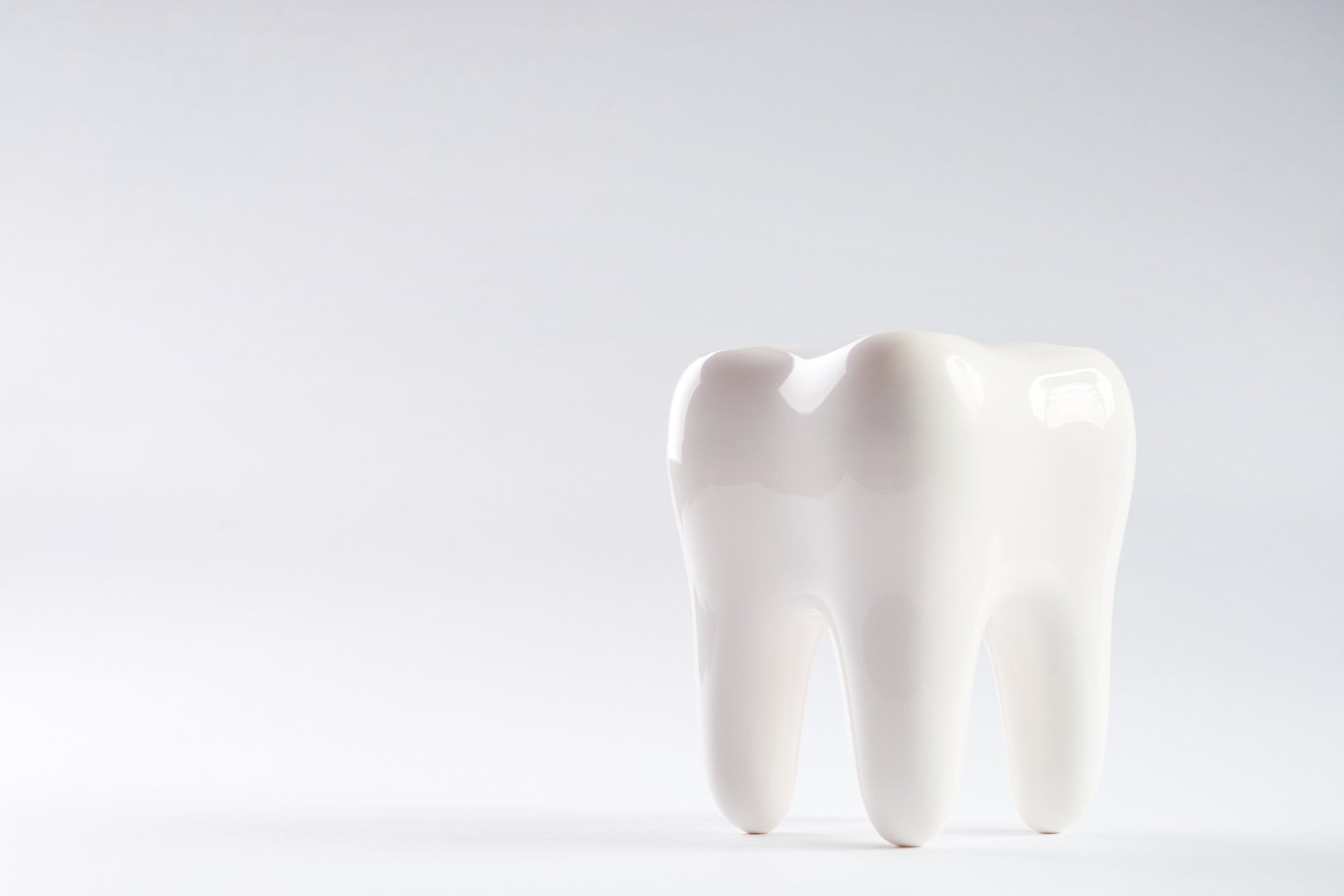
A dental crown is a custom-made cap that fits over a damaged tooth. Crowns are designed to restore the tooth's strength, shape, size, and appearance while protecting it from further damage.
Dental crowns may be made from materials such as porcelain, ceramic, metal, or a combination of materials. Your dentist will recommend the best option based on the location of the tooth, your oral health needs, and your cosmetic goals.
Why Might You Need a Dental Crown?
Your dentist may recommend a crown to:
- Protect a weakened or cracked tooth
- Restore a tooth with extensive decay
- Cover a tooth after root canal treatment
- Support a large filling when little natural tooth structure remains
- Improve the appearance of a misshapen or discolored tooth
- Complete a dental implant restoration
- Replace a worn or damaged crown
Crowns provide both functional and cosmetic benefits, helping patients maintain a healthy and attractive smile.
Step 1: Examination and Treatment Planning
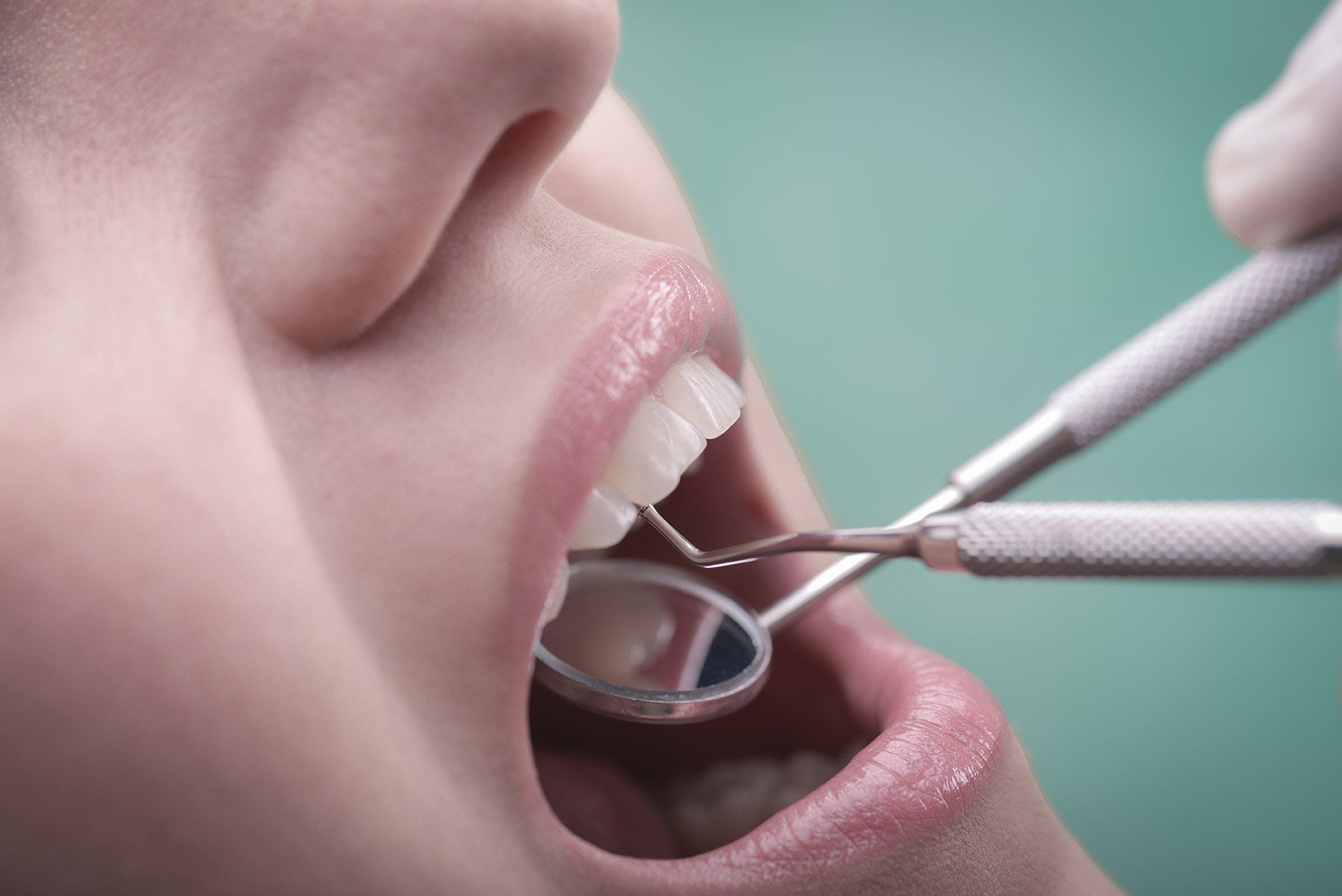
Before beginning treatment, your dentist will thoroughly examine the affected tooth. This may include digital X-rays or other imaging to evaluate the tooth's condition and determine whether a crown is the best solution.
If significant decay or infection is present, additional treatment may be needed before crown placement can begin.
Once your dentist confirms that a crown is appropriate, they will discuss your treatment options and answer any questions you may have.
Step 2: Preparing the Tooth
The next step involves preparing the tooth to receive the crown. To ensure your comfort, the area is typically numbed using local anesthesia.
During preparation, your dentist carefully removes a small amount of tooth structure to create space for the crown. The amount removed depends on the type of crown being placed and the condition of the tooth.
If a large portion of the tooth is missing or damaged, your dentist may use a filling material to build up the tooth before shaping it for the crown.
Step 3: Taking Impressions
Once the tooth has been prepared, your dentist will take precise impressions or digital scans of the tooth and surrounding teeth. These measurements are used to create a custom crown that fits comfortably and aligns properly with your bite.
Accurate impressions are essential for ensuring a natural appearance and long-lasting results.
Step 4: Temporary Crown Placement
Because many crowns are fabricated in a dental laboratory, a temporary crown is often placed over the prepared tooth while your permanent restoration is being made.
The temporary crown protects the tooth and allows you to continue normal daily activities. Your dentist may recommend avoiding particularly hard, sticky, or chewy foods until the permanent crown is placed.
Step 5: Permanent Crown Placement
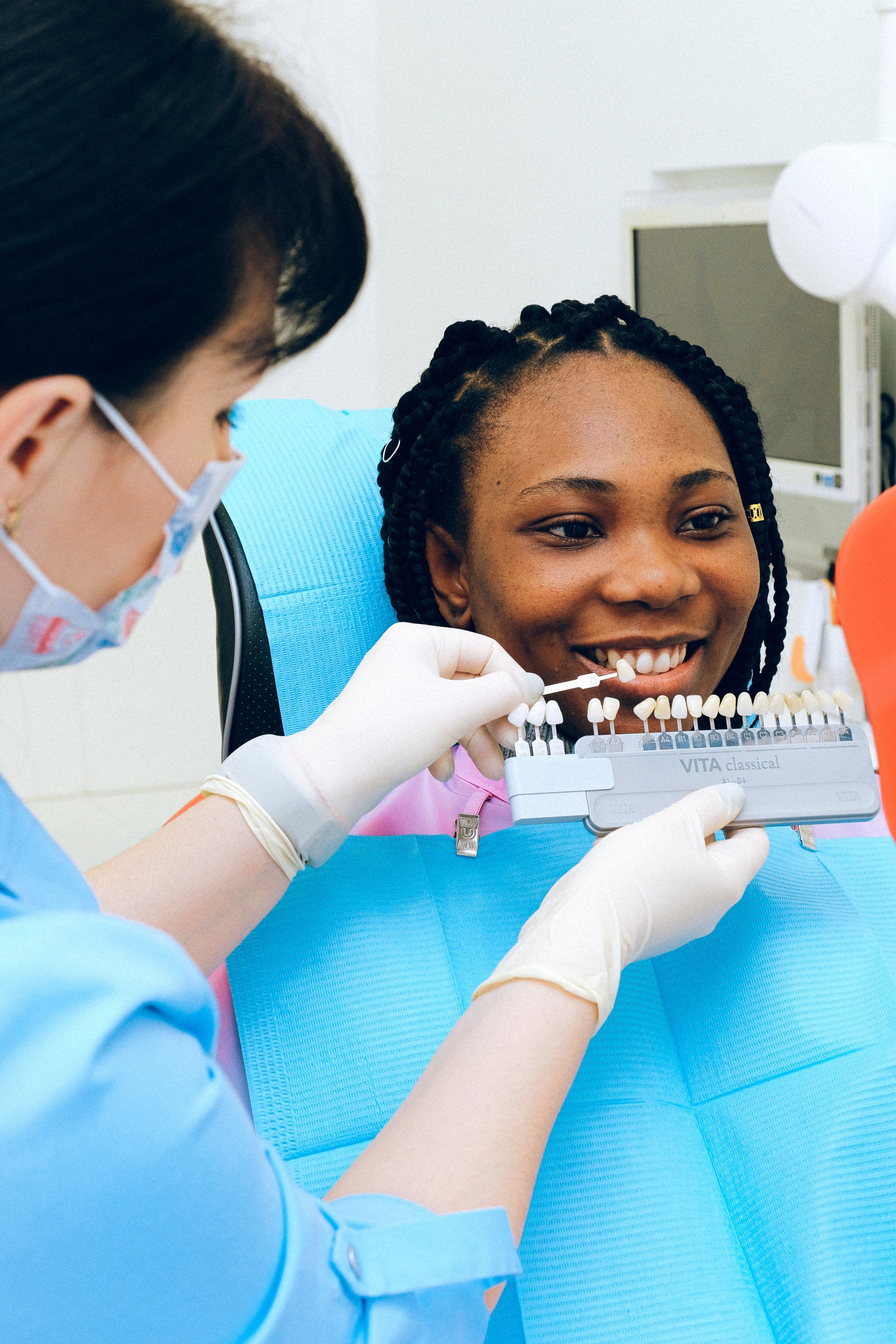
Once your custom crown is ready, you'll return for a second appointment. Your dentist will remove the temporary crown and evaluate the fit, color, shape, and bite of the permanent restoration.
Minor adjustments may be made to ensure optimal comfort and function. Once everything looks and feels right, the crown is permanently bonded or cemented into place.
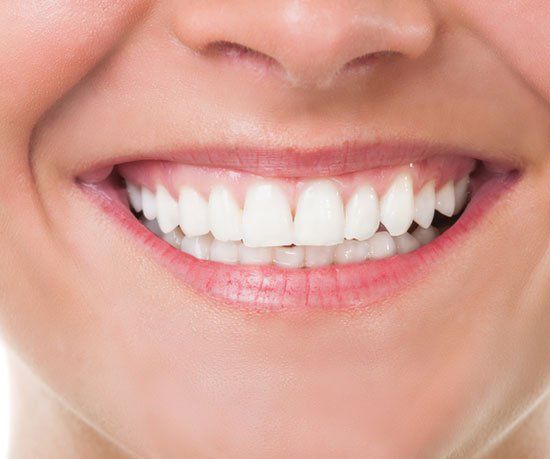
The result is a strong, natural-looking restoration designed to blend seamlessly with your smile.
Aftercare & Recovery
Most patients can return to their normal routine immediately after crown placement. Some mild sensitivity may occur for a few days, especially when eating hot or cold foods, but this typically subsides quickly.
To help your new crown last as long as possible:
- Brush twice daily
- Floss regularly
- Attend routine dental checkups
- Avoid chewing on ice or hard objects
- Wear a nightguard if you grind your teeth
With proper care, many dental crowns can last 10 to 15 years or longer.
Contact Our Dental Team to Learn More About Dental Crowns
Dental crown preparation and placement is a straightforward procedure that can dramatically improve the health, strength, and appearance of a damaged tooth. By understanding each step of the process, you can feel more comfortable and prepared for treatment.
If you suspect that dental crowns may be right for you, we urge you to contact Dr. A.K. Sharda, DMD today! Our local team is proud to provide versatile dental care across the Greensboro and High Point, NC communities. Schedule your dental exam today.